The Allure of Slot Machines
The captivating nature of slot machines begins with their vibrant designs and engaging soundscapes. These machines are meticulously crafted to create an immersive experience that captivates players’ attention from the moment they approach. The bright lights and cheerful chimes serve as sensory triggers that evoke excitement and anticipation, creating an environment that is difficult to resist, especially for those who frequent online casino australia sites. This carefully curated atmosphere plays a significant role in the psychological draw of these games, compelling players to try their luck regularly.
Moreover, the randomness of slot machines adds an adrenaline rush that many players find thrilling. Unlike card games where strategy plays a role, slots depend solely on chance, allowing individuals to experience the excitement of potentially winning big without needing extensive knowledge or skill. This randomness can lead to a phenomenon known as the “illusion of control,” where players believe they can influence outcomes through their betting patterns or timing, even though these factors have no actual impact on the mechanics of the game.
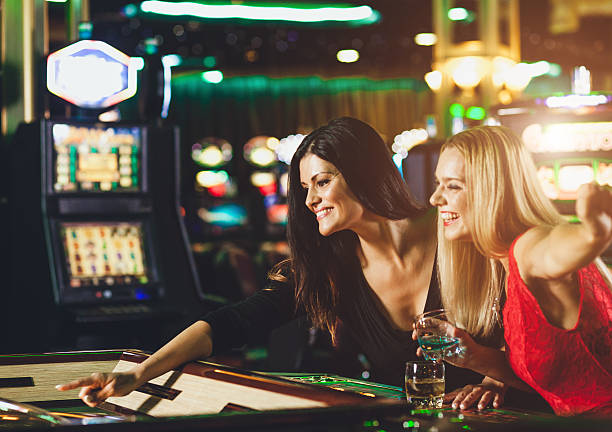
The social aspect of playing slots cannot be overlooked either. Many players enjoy the camaraderie of being in a bustling casino environment. They often exchange glances or comments with fellow players, sharing in the highs and lows of the spinning reels. This shared experience can enhance the overall enjoyment and may encourage individuals to play longer than they initially intended, driven by the communal excitement and the simple pleasure of being part of a lively atmosphere.
The Role of Rewards and Reinforcement
Slot machines are designed with complex reward systems that tap into fundamental psychological principles. One of the most compelling aspects of their design is the variable ratio reinforcement schedule, which is the same concept that underpins gambling addiction. Players may receive rewards at unpredictable intervals, meaning they could hit a substantial win after several spins or right away. This unpredictability keeps players engaged, as they are essentially rewarded for their patience and persistence.
Additionally, the small wins that often occur can further reinforce engagement. Players may experience frequent, albeit smaller, payouts that give them a taste of success, encouraging them to continue playing in hopes of hitting a more significant jackpot. This is sometimes referred to as “near misses,” where players come close to winning but do not quite achieve it. Near misses can be just as compelling as actual wins because they create a false sense of hope, further enhancing the players’ desire to keep playing.
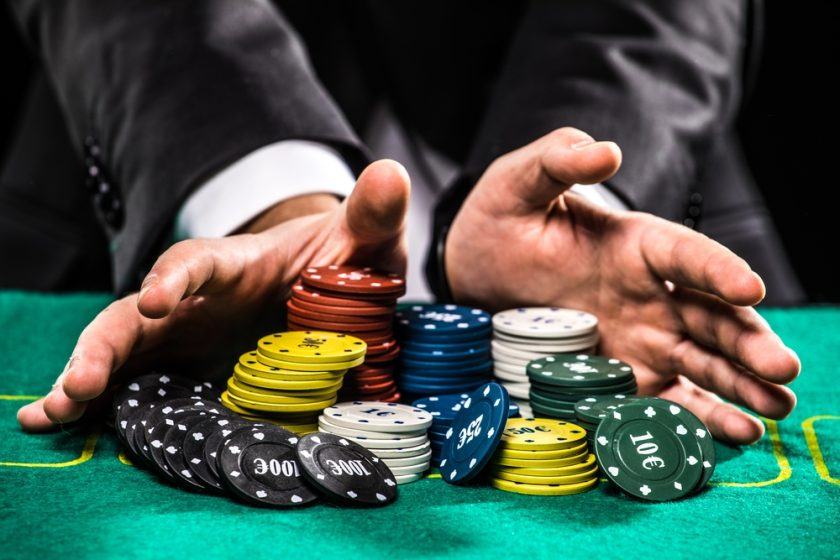
The emotional highs associated with winning, no matter the size, are critical in the psychology of slot machines. After a win, players often feel a rush of endorphins, which can lead to a temporary mood elevation. This biochemical response can create a connection between the action of pulling the lever and the pleasurable sensations that follow, encouraging players to return to the machines to chase that feeling again. This cycle is both psychologically fascinating and concerning, as it can lead to habitual behavior that some may find difficult to manage.
Cognitive Biases that Influence Gambling Behavior
Human cognition is riddled with biases that affect how individuals perceive and interact with slot machines. One significant bias is the belief in luck or superstition, where players may adopt specific rituals or habits, believing these practices will influence their outcomes. For instance, some might choose to play the same machine they previously won on or always use a particular set of lucky coins. This tendency to attribute outcomes to personal influence rather than random chance highlights the complexities of gambling psychology.
Another relevant cognitive bias is the “gambler’s fallacy,” where individuals mistakenly believe that past outcomes will influence future results. For example, a player might reason that a machine that hasn’t paid out recently is due for a win, thus encouraging them to continue playing for longer than is financially wise. This belief can lead to significant financial losses, as the reality of slot machines remains anchored in random chance, regardless of previous outcomes.
Moreover, the “sunk cost fallacy” is particularly prevalent in slot machine play. Players may continue to invest money into a machine after having already lost significant amounts, believing they need to recoup their losses. This cognitive bias can create a vicious cycle of increasing bets in hopes of hitting that elusive winning combination. Recognizing these biases is crucial for players to maintain a healthier approach to gambling, as it emphasizes the need for self-awareness in gameplay.
Design Features that Enhance Engagement
The design of slot machines is an art form, crafted to maximize player engagement and prolong gameplay. One of the key features is the use of themes that resonate with players, whether they involve favorite movies, music, or cultural touchstones. These familiar themes make the experience more relatable and enjoyable, which can draw players to certain machines over others. Additionally, the visual aesthetics, from dynamic graphics to captivating animations, are tailored to create an exhilarating experience that enhances player satisfaction.
Moreover, many machines feature progressive jackpots and bonus rounds that further entice players. The potential for large, life-changing sums of money can make even a modest bet seem worthwhile. As players engage with a game, they are often drawn into bonus features that provide additional opportunities for winning, creating a sense of progression and excitement. These features heighten the experience and reinforce the notion that engaging with the game is both enjoyable and potentially rewarding.
Sound design also plays a crucial role in this engagement. The auditory feedback associated with wins—whether it’s cheerful music, celebratory sounds, or even the sound of coins clinking—serves to reinforce the positive emotional responses associated with winning. On the flip side, calming sounds during non-winning spins can keep players relaxed and engaged without feeling too disheartened by losses. The synergy of visual and auditory elements makes slot machines a meticulously crafted experience, inviting players to return again and again.
Conclusion on the Psychology of Slot Machines
Understanding the psychology behind casino slot machines reveals much about human behavior and our relationship with risk and reward. The combination of engaging design, cognitive biases, and effective reinforcement strategies creates a compelling environment that entices players to participate. Each element, from the randomness of the games to the reinforcement of wins, is calculated to maximize interaction and prolong engagement, reflecting profound insights into human psychology.
For those interested in learning more about these dynamics or seeking to experience the excitement for themselves, various gaming platforms are available that allow individuals to explore the world of slots in a safe environment. Awareness of the psychological aspects can enhance the gaming experience while encouraging responsible play. As players become more informed about the mechanics and psychological principles at play, they can better navigate their gaming habits for a more enjoyable experience.
Ultimately, understanding the intricate relationship between design, psychology, and behavior in the context of slot machines can provide valuable insights. By recognizing how these machines exploit cognitive biases and emotional responses, players can approach their gaming experiences more thoughtfully. This awareness can empower individuals to make informed choices, fostering a healthier relationship with gambling while still enjoying the thrill of the game.