The Allure of Chance and Risk
At the core of casino gaming lies the intrinsic allure of chance and risk. The excitement of rolling dice or spinning a wheel taps into a primal human instinct: the thrill of unpredictability. This unpredictable nature can trigger a release of dopamine, a neurotransmitter closely associated with pleasure and reward, heightening the overall experience of gambling. For many, this biochemical response reinforces a desire to engage in gaming activities repeatedly, as each win—however small—solidifies the belief that a larger victory is attainable. Players can explore various options, including online casino australia , which adds to the anticipation of the next game and can create an almost addictive cycle, drawing them back for more.
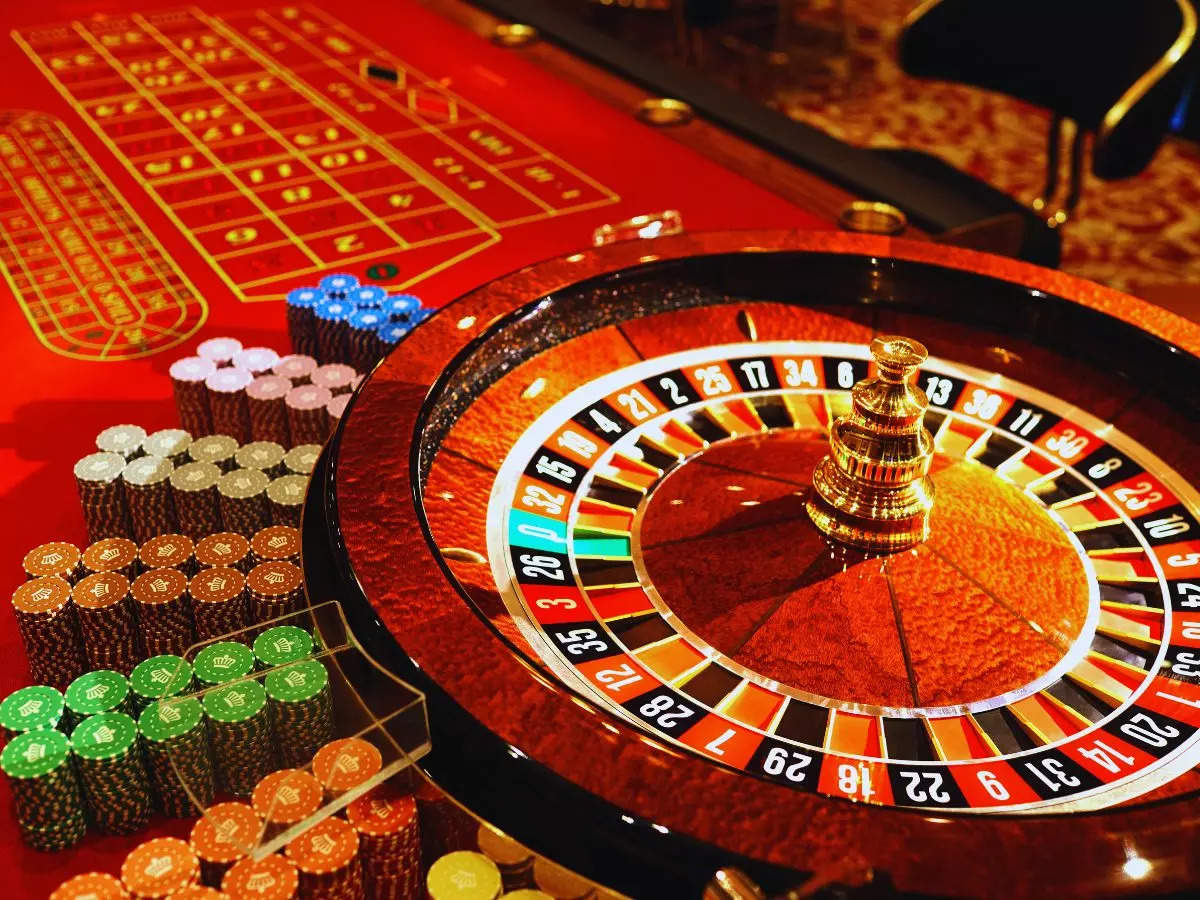
This psychological aspect is further amplified by the concept of “near-misses.” When players come close to winning, their brains often respond as if they had actually won, reinforcing the behavior and encouraging them to try again. This response can create a cycle of behavior that traps players in a continuous loop of wagering, often leading them to believe that their luck will change. The adrenaline rush associated with these near-misses can cloud judgment, making it tempting to continue playing in hopes of achieving that elusive win. The thrill of almost succeeding can keep players engaged longer than they initially intended.
Moreover, the environment of casinos is meticulously designed to enhance the gaming experience. From the sounds of slot machines chiming with potential wins to the visual stimulation of bright lights and vibrant colors, these elements contribute to an atmosphere that is both exciting and intoxicating. This carefully constructed ambiance can easily draw individuals into a state of immersive engagement, blurring the lines between reality and the fantasy of winning big, thus fueling the continuation of gaming habits. The combination of sensory overload creates a unique experience that captivates players, encouraging them to lose track of time and money.
The Role of Social Influence
Social dynamics play a significant role in shaping gambling behaviors. Many people are drawn to casinos not just for the games themselves but also for the social experience they offer. Engaging in gambling activities with friends or even strangers can foster a sense of community and belonging. The shared highs and lows of gaming create bonds among players, encouraging them to return for both the games and the social interactions that accompany them. This social element can enhance the enjoyment and make the experience more memorable, reinforcing the desire to return.
Furthermore, the influence of social media and peer groups cannot be understated. Reports of wins and experiences shared online can create a phenomenon known as “social proof,” where individuals feel compelled to participate in gaming due to the success stories they observe. This phenomenon often leads to an increased sense of normalization around gambling, with individuals perceiving it as a socially acceptable activity, thus perpetuating a cycle of participation. The moments captured on social media glamorize the lifestyle associated with gambling, leading to more individuals trying their luck at casinos.
The impact of social influence extends beyond immediate social circles; exposure to celebrities or influencers who endorse gambling can also sway public perception and behavior. As these figures often glamorize gaming, they can make it seem accessible and even aspirational. With headlines showcasing big winners, individuals may feel an increased pressure to engage in gambling, believing they could achieve similar success, which further drives the casino gaming habits of the wider population. This external validation can lead individuals to gamble more frequently, often underestimating the risks involved.
The Psychological Concepts of Addiction
Understanding casino gaming habits also requires a closer look at the psychological concepts of addiction. Gambling addiction, classified as a behavioral addiction, shares similarities with substance-addiction disorders. Individuals may develop an uncontrollable urge to gamble, prioritizing it over other aspects of their lives. The inability to stop despite negative consequences can lead to significant personal and financial turmoil, highlighting its potential for harm. The compulsive nature of gambling can create a downward spiral, affecting relationships and overall well-being, as players often neglect important responsibilities in pursuit of their gaming habits.
The cycle of reinforcement in gambling addiction is particularly poignant. Each win can serve as a powerful motivator to continue gambling, while losses may lead players to chase their fortunes in hopes of recouping their losses. This behavior is akin to a classic “chasing the dragon” scenario, where individuals believe they can regain control over their luck, leading to potentially devastating outcomes. Such patterns can distort an individual’s self-perception, often leaving them in denial about the severity of their gambling habits. The psychological toll of this addiction can lead to feelings of shame and isolation, further complicating the recovery process.
Moreover, the cognitive distortions associated with gambling addiction contribute to its persistence. Gamblers often develop biased thinking patterns, such as overestimating their winning probabilities or attributing losses to external factors rather than personal responsibility. These cognitive misjudgments can be exceptionally difficult to dismantle, perpetuating the cycle of addiction and further entrenching individuals in their gaming habits. This distorted view can hinder their ability to make rational decisions, trapping them in a cycle of continuous play. Addressing these ingrained thought patterns is crucial for successful recovery.
The Impact of Environment and Design
The physical environment of a casino significantly influences player behavior. From the layout of the floor to the placement of games, every element is strategically designed to maximize time spent gambling. The absence of clocks and windows helps to create a sense of timelessness, encouraging players to lose track of time as they immerse themselves in the gaming experience. This design strategy can lead to extended play sessions, contributing to the development of habits that are hard to break. The careful orchestration of the space creates an enticing atmosphere that keeps players engaged, often against their better judgment.
Moreover, casinos often employ various marketing strategies to entice players. Promotions, loyalty programs, and enticing offers are frequently deployed to create a sense of urgency, prompting individuals to gamble more than they originally intended. These marketing techniques are built on psychological principles, drawing players in with the promise of value or exclusivity, which can lead to increased spending and reinforcement of gaming habits. The allure of limited-time offers can pressure individuals to act quickly, often without considering the consequences, which can lead to impulsive decisions and regret.
The overall ambiance of a casino is another factor that enhances the gaming experience. The sound of ringing bells, flashing lights, and energetic atmosphere creates an engaging environment that can feel exhilarating. This sensory stimulation can lead to a sense of escapism for many, providing temporary relief from everyday stresses. However, this very allure can make it challenging for individuals to recognize the potential risks associated with their gaming habits, further embedding them into a cycle of repetitive play. The combination of sensory overload and social interaction creates a compelling reason for players to return, often ignoring the underlying dangers.
Conclusion and Resources for Responsible Gaming
As we examine the psychological underpinnings of casino gaming habits, it is crucial to acknowledge the importance of responsible gaming practices. Understanding the various factors that drive gambling behavior can empower individuals to make informed choices about their gaming activities. Awareness and education about the signs of problematic gambling can pave the way for healthier relationships with gaming, preventing addiction and promoting responsible enjoyment. By fostering an understanding of one’s own gaming habits, individuals can maintain a healthy balance and enjoy gaming as a form of entertainment without letting it dominate their lives.
For those looking to manage their gaming, numerous resources are available. Organizations dedicated to responsible gaming offer counseling, support groups, and educational programs aimed at fostering healthier habits. They provide essential information that can help individuals recognize when their gaming behaviors may be crossing a line into problematic territory. Seeking help is a vital step toward recovery and regaining control over one’s life, emphasizing the importance of community support in overcoming addiction.
In conclusion, by exploring the psychology behind casino gaming habits, we can unravel the complex interplay of chance, social influence, addiction, and environmental factors. Recognizing these elements can aid in developing a more conscious approach to gaming, ensuring that the excitement of the casino remains an enjoyable experience rather than a source of distress. Ultimately, understanding these psychological aspects can lead to a healthier engagement with gaming, allowing individuals to enjoy the thrill without falling prey to addiction.
